Hazardous waste disposal in Merton: homeowner steps
Posted on 18/06/2026
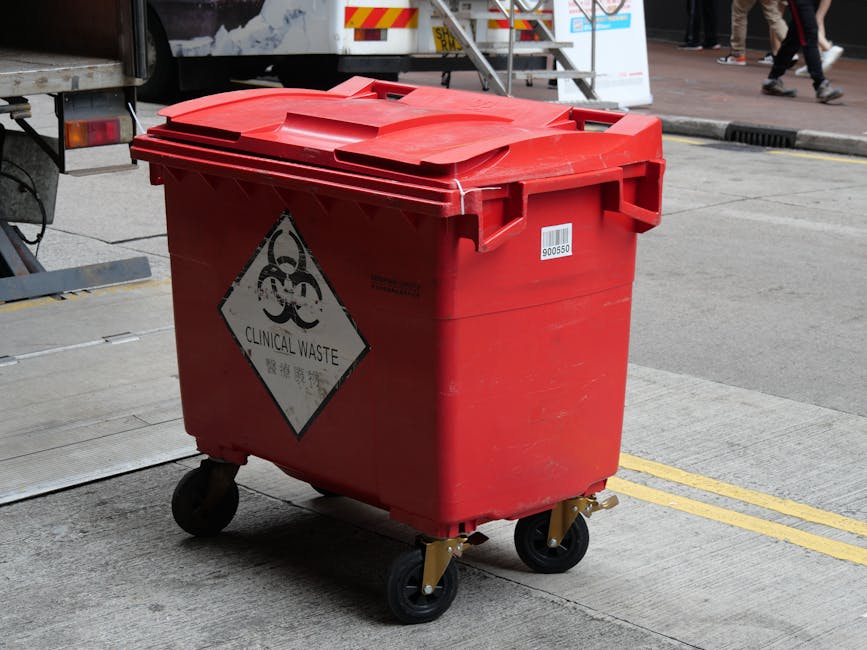
If you have a half-used paint tin in the shed, an old tube of sealant under the sink, or a broken fluorescent bulb that's been sitting on the garage shelf for months, you're not alone. Hazardous waste has a habit of quietly building up in ordinary homes, and then suddenly becoming a problem when you least fancy dealing with it. This guide to Hazardous waste disposal in Merton: homeowner steps explains what to do, what not to do, and how to handle the process safely without making a simple tidy-up turn into a messy little headache.
In plain English: you'll learn how to identify household hazardous items, separate them properly, store them safely, and decide when a specialist clearance route makes more sense than trying to manage everything yourself. We'll also keep this local, practical, and realistic for homeowners in Merton. No drama. Just the steps that make sense.
Why hazardous waste disposal in Merton matters
Hazardous waste is any household item that can harm people, pets, drains, or the environment if it's handled badly. For homeowners, that usually means things like leftover solvents, pesticides, bleach-based cleaners, oils, old batteries, aerosols, paint, certain electronic items, and damaged light bulbs. Sounds harmless when it's sitting in a cupboard, doesn't it? But once containers leak, break, or get mixed together, the risk goes up fast.
In a busy home, these items can be overlooked during a loft clear-out, a garage sort-out, or a move. That's especially true in Merton, where many homes have compact storage areas, sheds, or under-stairs cupboards that become catch-alls over time. A couple of bottles here, a dusty canister there, and before long you've got a pile that needs more thought than a standard rubbish run.
There's also the practical side. Hazardous materials can contaminate normal waste, damage collection vehicles, and create avoidable costs if they're mixed into a general load. Homeowners who take a careful approach tend to save time later. It's one of those jobs where a little patience up front really does pay off.
If you are also clearing a larger property or family home, it can help to understand the wider picture of safe removal and sorting. Our house clearance support in Merton can sit naturally alongside a hazardous waste plan when a property has mixed contents rather than just one or two items.
How hazardous waste disposal in Merton works
The basic process is straightforward, though the details matter. First, you identify what the item is. Then you keep it separated from ordinary waste. Next, you check whether it needs specialist handling, a separate container, or secure storage until it can be removed. Finally, you decide whether to use a local disposal route, a council-approved drop-off option where available, or a professional clearance service that can collect it from your property.
That may sound almost too simple. The catch is classification. A product might look like ordinary rubbish, but if it's corrosive, flammable, toxic, pressurised, or contaminated, it belongs in a different category. Many homeowners get tripped up by items that are "half empty" or "probably fine." Truth be told, that's usually where the mess starts.
A sensible home process usually follows four stages:
- Identify each item and read the label carefully.
- Separate hazardous items from general waste, recycling, and reusable goods.
- Store safely in the original container where possible, upright and out of reach.
- Arrange removal through a suitable disposal route rather than putting it out with normal rubbish.
If you're unsure about the wider waste stream, our services overview is useful for seeing how different removal needs fit together, from general rubbish to more specialised collections.
Key benefits and practical advantages
Doing hazardous waste the right way is not just about ticking a box. It protects the house, the people in it, and the surroundings outside your front door. A tidy disposal process keeps cupboards safer, reduces accidental exposure, and helps prevent leaks in storage areas that smell faintly of solvent or damp metal. That smell, by the way, is often the first warning sign people ignore.
Here are the main benefits homeowners notice:
- Less risk at home - fewer leaks, fumes, or breakages in storage.
- Cleaner sorting - hazardous items stay out of normal rubbish and recycling.
- Better compliance mindset - you're less likely to dispose of something in a way that causes trouble later.
- Faster clear-outs - once hazardous items are separated, the rest of the job becomes simpler.
- Peace of mind - especially if children, elderly relatives, or pets are around.
There's another upside that people rarely mention: once you know how to handle one hazardous category, the next sort-out feels much less intimidating. You stop treating it like a mystery box. And that helps.
If your home project overlaps with other junk or bulky items, you may also find it useful to review junk removal options in Merton so you can separate the dangerous stuff from the rest without overcomplicating the job.
Who this is for and when it makes sense
This guide is for homeowners, landlords, tenants with permission to clear items, and anyone managing a property in Merton where hazardous waste has built up. That could mean a routine spring clean, a post-renovation tidy, an end-of-tenancy clear-out, or the slightly chaotic moment after a DIY project went a bit further than planned.
You will especially benefit if you have:
- old household paint, varnish, thinners, or adhesives
- domestic cleaning chemicals stored in bulk or mixed packs
- garden chemicals or pest-control products
- broken batteries, cords, small electronics, or battery packs
- fluorescent tubes or similar fragile lighting waste
- small quantities of oils, fuels, or similar liquid residues
It also makes sense if you're clearing a loft, garage, or shed and suspect a few items are not normal rubbish. In homes around Merton, those spaces often become mini archives for "we'll deal with that later." Later arrives. It always does.
If you're dealing with a wider storage clear-out, the practical advice in our garage clearance service can help you think in zones: keep dangerous items separate, then tackle the rest in a calmer order.
Step-by-step guidance
Here's the homeowner process I'd recommend if you want to stay organised and keep things safe.
1. Walk the property and make a quick inventory
Start in places where hazardous waste hides: under the sink, in the shed, in the garage, at the back of kitchen cupboards, and around DIY storage boxes. Make a list of what you find. You do not need a spreadsheet worthy of an accountant. A notebook or phone note is enough.
2. Separate hazardous items from everything else
Put these items aside immediately. Keep them away from paper, fabric, food, and general rubbish bags. If a container is cracked or leaking, place it in a secure secondary container if safe to do so. Do not mix unknown liquids together. That's where people get into trouble quickly.
3. Keep original labels where possible
Labels tell you what the product is, what it contains, and how it should be handled. If a label is missing, write a short note on the container or bag so you do not forget what it was. "Blue liquid from garage shelf" is not elegant, but it beats guessing later.
4. Store items upright in a cool, dry, ventilated place
That usually means a locked or out-of-reach area, away from heat sources and direct sunlight. Keep aerosols and flammables especially far from anything that might spark or heat up. In a warm loft during summer, the temperature can rise more than people expect. A bit sweaty in there, frankly.
5. Check whether any item needs specialist handling
Some items are simple to separate but not sensible to carry around or place in mixed waste. If you're dealing with old paint tins, batteries, fluorescent tubes, or chemical cleaners, think carefully about transport and handling. If in doubt, treat the item as sensitive rather than ordinary rubbish.
6. Choose the right removal route
For a few small items, a dedicated local collection or a planned drop-off route may be enough. For mixed loads, multiple item types, or a full-property clear-out, a professional waste team is often the easier path. The main point is not to improvise with hazardous material.
7. Document what leaves the property
For your own records, note what was removed and when. If you're a landlord or managing a property sale, that small habit can save awkward questions later. It's a simple step, but a useful one.
For homes where hazardous waste is part of a bigger project, a broader waste removal service in Merton can be a practical way to bundle the non-hazardous items once the risky materials are isolated.
Expert tips for better results
Over the years, the jobs that run smoothly tend to follow a few simple habits. Nothing flashy. Just disciplined sorting and a bit of common sense.
- Work one room at a time. It keeps decisions tidy and reduces accidental mixing.
- Never decant chemicals into drink bottles. It sounds obvious, but it still happens, and it's dangerous.
- Keep batteries taped or bagged individually where appropriate. That reduces the chance of terminals touching.
- Don't flush liquid waste. Drains are not a shortcut. They are not.
- Protect yourself first. Gloves, closed shoes, and decent ventilation matter more than people think.
- Plan the removal date before the pile grows. The longer hazardous waste sits around, the greater the chance of leakage or a misplaced child's hand reaching for it.
A small practical tip: take a photo of labels before moving anything. If containers get damaged, you'll still have the information. That one saves time more often than it should.
And if you're coordinating a larger home project, our loft clearance support can help when hazardous items are discovered in boxes you have not opened since the last decade. Which, let's face it, happens.
Common mistakes to avoid
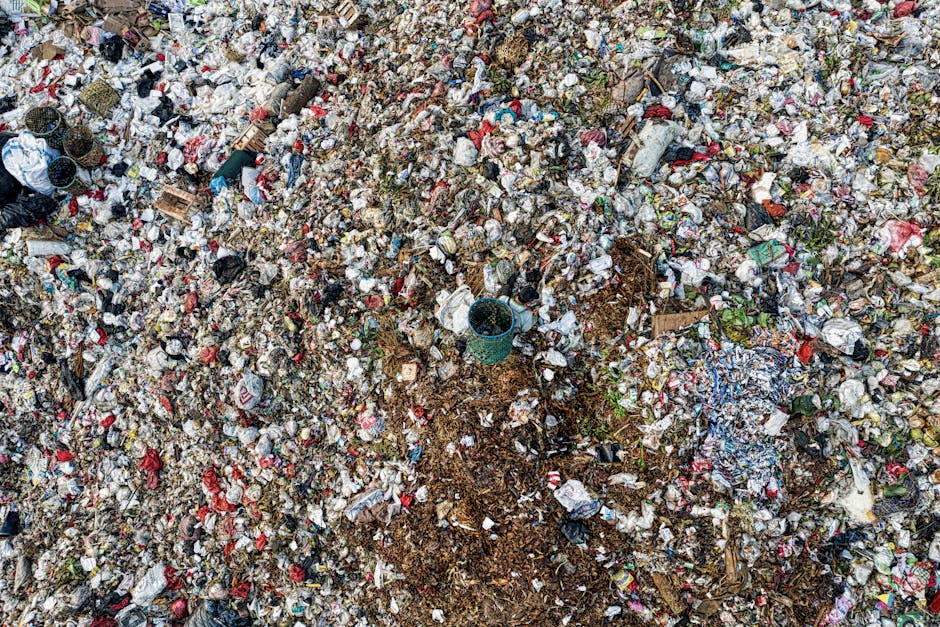
A lot of the problems homeowners face are preventable. They usually come from rushing, guessing, or trying to squeeze hazardous waste into a normal collection bag. Here are the big ones.
- Mixing hazardous and general waste - one bad mix can contaminate the whole load.
- Leaving items in open containers - spills and fumes become much more likely.
- Ignoring "empty" containers - residue can still be risky.
- Storing items near heat - bad idea for aerosols, oils, and solvents.
- Transporting fragile items loosely - broken bulbs and cracked tubs can create avoidable exposure.
- Assuming every chemical is the same - household products vary a lot.
One common slip is treating half-used paint as harmless because it's "just a bit left." But old paint can dry into a nuisance or leak into packaging if it's not stored properly. Not glamorous, but very real.
Tools, resources and recommendations
You do not need a specialist kit to start sorting household hazardous waste, but a few practical items make the job much smoother:
- strong gloves
- dust mask or suitable face covering for dusty storage areas
- sealed boxes or containers for segregated items
- marker pen and labels for identification
- thick bin liners for non-liquid secondary containment
- torch for cupboard and shed checks
- phone camera for recording labels and conditions
For homeowners planning a full clear-out, it also helps to think beyond hazardous waste. You may need separate handling for broken furniture, old appliances, or ordinary clutter. A good starting point is the rubbish clearance service in Merton, which can help you keep the household load organised rather than dumping everything into one pile.
If you're comparing disposal options and care about environmental handling, the page on recycling and sustainability is also worth a look because the way waste is sorted can make a real difference to what gets recovered and what does not.
And if you need a quick, direct conversation about a removal plan, the contact page is the most sensible next stop.
Law, compliance, standards and best practice
When hazardous waste is involved, it's wise to follow recognised UK household waste practices and local expectations rather than improvising. The broad idea is simple: keep hazardous items separate, prevent harm, and use an appropriate route for disposal. For homeowners, that usually means being careful with storage, transport, and mixing.
Best practice is to:
- keep items in their original packaging where possible
- avoid mixing different chemicals
- store waste securely until it can be removed
- make sure children and pets cannot access it
- choose a reputable disposal route that can handle the material safely
If a property has been neglected, or if there is uncertainty about what the waste contains, extra caution is sensible. You do not want a small domestic job becoming a safety issue. In our experience, it's better to pause and check than to rush and regret it later.
For anyone who wants reassurance around working practices, the information on insurance and safety can help you think through the practical side of choosing a service that treats risk seriously.
Options, methods and comparison table
Homeowners usually have three realistic routes. Which one works best depends on the type of waste, how much there is, and how urgent the job feels.
| Method | Best for | Pros | Watch-outs |
|---|---|---|---|
| Careful home sorting and storage | A few small hazardous items | Low effort, good for planning, keeps the home safe in the short term | Not a final disposal solution; items still need proper removal |
| Dedicated local collection or removal service | Mixed household hazardous waste, DIY leftovers, or full clear-outs | Convenient, safer, less lifting and transport for the homeowner | Needs clear item identification and sensible scheduling |
| Staged disposal alongside a broader clearance | Loft, garage, or house clear-outs where hazardous items are only part of the load | Efficient for larger projects; easier to separate risky items first | Requires good sorting discipline so hazardous items do not get mixed in |
If you are also weighing up whether to handle part of the job yourself or bring in help, a broader rubbish collection in Merton can be the middle ground for the non-hazardous items once the unsafe materials have been isolated.

Case study or real-world example
A typical Merton homeowner scenario goes like this. A family decides to clear the garage on a Saturday morning. They expect old bikes, broken planters, and a few boxes of "miscellaneous bits." What they find instead is a mixed pile: old tins of masonry paint, a couple of aerosol cans, cracked pesticide bottles from the garden cupboard, and several dusty batteries that had fallen behind a shelf. It starts to feel a bit more serious.
The sensible response is not to keep digging through the pile with bare hands. The homeowner stops, separates the hazardous items into a marked box, and leaves them in a cool spot away from the rest of the clearance. The non-hazardous items are sorted for ordinary removal, while the risky bits are set aside for a specialist route. By lunchtime, the space is already calmer. Not finished, no, but manageable again. That shift matters more than people realise.
That sort of approach avoids a classic mistake: turning a simple garage tidy into one big mixed waste pile. Once everything is separated, decisions become easier. You can see what needs extra care and what can go into the normal clearance flow.
If your own job has that same "more than expected" feeling, a structured service such as garage clearance in Merton can help you break the task into sensible stages.
Practical checklist
Use this checklist before you arrange disposal or move anything around:
- Have I identified every potentially hazardous item?
- Are the items separated from general rubbish and recycling?
- Are all lids secure and containers upright?
- Have I kept the original labels or written down what each item is?
- Are the items away from heat, children, and pets?
- Have I avoided mixing different liquids or chemicals?
- Do I know which items need specialist handling?
- Have I planned removal instead of leaving the waste sitting for weeks?
- Is there a clear route for any non-hazardous leftovers too?
- Do I need help because the load is larger than expected?
If you can tick most of those boxes, you're already ahead of the game. If not, slow it down a touch. Better to spend an extra ten minutes now than deal with a spill later on a damp Tuesday evening when nobody has the energy for it.
Conclusion
Hazardous waste disposal in Merton does not need to be complicated, but it does need to be careful. The winning approach is simple: identify the items, separate them, store them safely, and choose the right removal route. Once you do that, the whole job becomes less stressful and far safer for everyone in the property.
Homeowners who handle hazardous waste properly usually find the rest of the clear-out goes more smoothly too. The garage looks clearer. The shed feels less cramped. The old paint tins stop nagging at the back of your mind. Small victory, maybe. But a real one.
Get a free quote today and see how much you can save.
And if you'd like a practical, no-nonsense next step, get the job moving while the waste is still controlled and easy to manage. A calm plan today is worth a lot more than a rushed fix tomorrow.


 Tipper Van - Rubbish Removal and Waste Disposal Prices in Merton, SW19
 Luton Van - Rubbish Removal and Waste Disposal Prices in Merton, SW19