Colliers Wood High Street: shop waste removal in Merton
Posted on 22/05/2026
Shop waste builds up fast on a busy high street. One day it is a couple of flattened cardboard boxes and a few broken display fittings; the next, you are navigating bags, packaging, old stock, and bulky items behind the till area. On Colliers Wood High Street, where footfall, deliveries, and trading hours all compete for space, a tidy back-of-house area is not a luxury. It is part of keeping the shop running smoothly.
This guide explains Colliers Wood High Street: shop waste removal in Merton in a practical, local way. You will see how shop waste clearance usually works, what types of waste turn up most often, how to avoid common mistakes, and what to look for if you want a reliable, low-disruption service. If you manage a retail unit, a small independent store, or a mixed-use premises nearby, this should help you make a sensible decision without overcomplicating it.
For broader service context, you can also explore our services overview or read more about our approach to recycling and sustainability. And if you want to compare options or talk through a specific clearance, the contact page is the simplest next step.
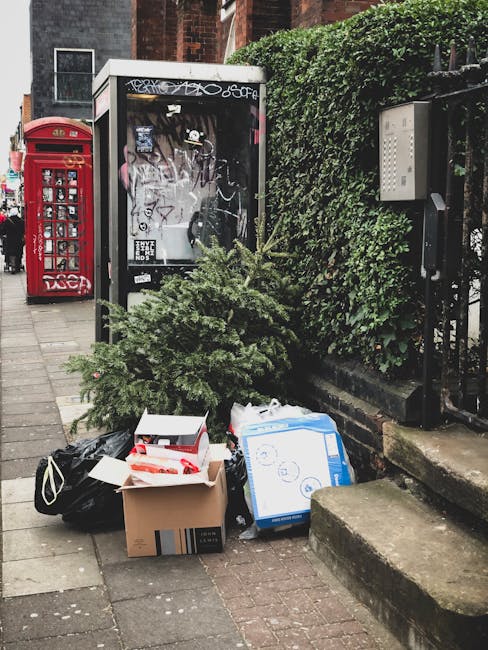
Why Colliers Wood High Street: shop waste removal in Merton Matters
Colliers Wood High Street is not the kind of place where waste can sit around for long. Retail units there tend to deal with limited storage, regular deliveries, and customers coming and going all day. A pile of waste by the rear entrance or inside a service corridor can quickly become a nuisance. It can also create a poor impression, and lets face it, nobody wants to walk past a shop that looks half-shut before they even step through the door.
Shop waste removal matters because it affects more than appearance. It influences safety, staff workflow, hygiene, and how efficiently you can receive stock or prepare for a refit. A cluttered storage room slows people down. Cardboard stacked in the wrong place becomes a fire risk. Old shelving or damaged fixtures can block access at the exact moment you need space for a fresh delivery. That sort of thing snowballs.
There is also the local reality of operating in Merton. High-street businesses often need practical solutions that work around trading hours, nearby parking limitations, and shared access points. A reliable waste collection plan helps prevent rushed last-minute disposal, which is where mistakes often happen. If you are also managing a move, a refurbishment, or a larger commercial clean-out, it may be worth looking at related support such as office clearance in Merton or builders waste clearance in Merton depending on the situation.
Key takeaway: for shops on and around Colliers Wood High Street, waste removal is not just a clean-up task. It is part of running the business properly, protecting staff movement, and keeping operations calm when the pressure is on.
How Colliers Wood High Street: shop waste removal in Merton Works
Most shop waste removal jobs follow a fairly straightforward pattern, though the details vary depending on the type and volume of waste. A good provider will usually start by understanding what needs to go, where it is stored, and whether any items need special handling. That might sound obvious, but in practice a five-minute phone call can save a messy on-site delay later on.
For a typical high-street shop, the process often looks like this:
- Initial assessment - You describe the waste, access points, timing, and any awkward items. This helps avoid surprises on collection day.
- Timing arranged around trading hours - Collection may be scheduled early, late, or during quieter periods so staff and customers are not disrupted.
- Removal team arrives with the right equipment - Trolleys, protective gear, and loading capacity matter more than people sometimes realise.
- Waste is sorted where practical - Reusable, recyclable, and general waste are separated if possible, which supports better disposal practices.
- Items are loaded and cleared - Cardboard, fixtures, packaging, shop fittings, and general rubbish are removed efficiently.
- Responsible disposal follows - Materials are taken to appropriate transfer, reuse, or recycling routes, depending on the waste type.
Some shops need a one-off removal after a refit or stock refresh. Others need repeat clearances every week or month. If you are trying to keep back rooms under control, pairing shop waste removal with a regular rubbish collection in Merton arrangement can be a practical way to avoid build-up. The right choice depends on how fast waste accumulates, how much storage you have, and whether you are handling bulky packaging from frequent deliveries.
One small but important point: access. High streets can be tight. If the rear yard is narrow, parking is limited, or loading needs to be done carefully around other businesses, the waste removal plan should reflect that from the beginning. Good planning prevents awkward rushing on the day, which is exactly when damage or delay tends to happen.
Key Benefits and Practical Advantages
When shop waste is removed promptly and properly, the benefits are immediate. Some are obvious; others only become clear once the clutter is gone and everyone can move again without sidestepping boxes every ten seconds.
- Better presentation: A clean service area helps maintain a professional standard, even if customers never see the back room.
- Safer working conditions: Less trip risk, fewer blocked access routes, and reduced chance of people lifting around clutter.
- More usable storage space: Clearing old stock, packaging, and broken fittings gives you room for the things that matter.
- Faster stock handling: Staff can receive deliveries and rotate goods more efficiently when the space is organised.
- Less stress during busy periods: A clear-out before a sale, seasonal change, or refurbishment means less last-minute panic.
- Improved waste segregation: Cardboard, plastics, metal, and general waste are easier to separate when the space is under control.
- Better customer impression: Even if the clearance happens out back, the overall tidiness of the premises can affect how the shop feels.
There is also a commercial side to it. If waste is allowed to pile up, it can interfere with day-to-day trading and create avoidable costs in staff time. In a small shop, a half-hour spent moving rubbish around can feel like much longer, especially during peak hours. A planned clearance is often the calmer, cheaper option over time.
If you are looking at a broader property refresh or retail move, it may help to read our furniture disposal service in Merton and the practical guidance in our pricing and quotes page. That makes it easier to judge what is worth moving, what should be removed, and what can be reused elsewhere. Truth be told, a little planning saves a lot of lifting.
Who This Is For and When It Makes Sense
This service is not just for big retailers with constant fit-outs. In practice, it suits a wide mix of local businesses and situations. Some examples are obvious, others less so.
- Independent shops clearing packaging, broken display materials, or old stock
- Convenience stores dealing with daily cardboard, mixed rubbish, and occasional bulky items
- Beauty, barber, and wellness premises replacing fixtures or clearing stored items
- Cafes and takeaway outlets that need periodic back-of-house clearance
- Charity shops and resale stores that need to manage unsaleable donations or surplus fittings
- Seasonal businesses with changing stock cycles and temporary surplus waste
- Landlords and managing agents preparing a unit for a new tenant
It also makes sense during specific moments in the life of a business. A refurbishment is the obvious one. But there are smaller triggers too: a new product range, a stockroom reorganisation, a delivery schedule change, or a sudden build-up of waste after a busy weekend. If you have ever looked at a back room and thought, "Right, that needs sorting before Monday," you are in the right place.
Some retailers also need help when moving premises or consolidating storage. In those cases, a broader rubbish clearance in Merton or even house clearance in Merton style service can be useful if stock, fixtures, or mixed items need removing from multiple areas. Not every clearance is neat and tidy in the real world. Sometimes it is one of those mixed jobs where you need a team to just come in and get on with it.
Step-by-Step Guidance
If you want the process to go smoothly, preparation matters. The most efficient shop waste removals are usually the ones where the business has already done a bit of sorting. Nothing dramatic. Just a sensible bit of groundwork.
- Identify the waste categories
Separate cardboard, plastic wrapping, old shelving, damaged stock, and general waste. If any item may need special handling, flag it early. - Measure the bulky bits
Large fixtures and heavy shop fittings can be awkward in tight spaces. A quick check helps avoid surprises when the team arrives. - Clear access routes
Make sure the back entrance, corridor, or storage area is accessible. Move anything valuable or fragile out of the way first. - Choose the best timing
Early morning, after closing, or midweek quieter periods often work best for shops on busy streets. - Confirm what will and won't be taken
Some items may need specific arrangements. Better to ask than assume. - Prepare staff
Let the team know what is being removed so nobody accidentally piles fresh stock into the clearance area. - Check disposal expectations
Ask how recyclable items are handled and whether waste transfer paperwork is provided where relevant.
A useful rule of thumb: the less the removal team has to guess, the smoother the job tends to be. A few photos sent in advance can help a lot. So can a quick note about stairs, loading access, parking restrictions, or shared entrances. Boring admin? Maybe. But it saves real time.
If you are comparing service types, our skip hire in Merton page is worth a look too. For some shops, a skip is the right fit. For others, especially where space is tight and you need quick loading without leaving a container outside all day, a man-and-van style clearance is usually the easier option.
Expert Tips for Better Results
There are a few small habits that make a noticeable difference. None are glamorous, but they work.
- Keep cardboard separate from mixed waste where possible. It often speeds up recycling and keeps the stockroom cleaner.
- Review waste weekly rather than waiting until the back room is full. Small regular checks are easier than a huge clean-up.
- Group bulky items together before collection day. It saves loading time and reduces confusion.
- Label items that must stay so they do not get removed by mistake. Sounds obvious, but this one matters.
- Schedule removals around deliveries to avoid traffic in the same narrow space.
- Ask about recycling routes if you are trying to reduce landfill waste. A responsible provider should be able to explain the basics clearly.
- Use the clearance as a reset to improve layout. Sometimes a removed shelf or broken display stand changes the whole room for the better.
One practical observation from many shop clearances: the biggest time-savers often come from removing a few awkward items first. Once the obstructive pieces are out of the way, everything else becomes easier. It is a bit like tidying a desk; the first three objects take forever, then suddenly the whole thing looks manageable.
For businesses that care about waste reduction more broadly, the thinking behind shop clearance often overlaps with operational improvement. That is why our article on optimising processes to lower manufacturing waste can still be useful, even though it comes from a different setting. The principle is the same: less waste, better flow, fewer headaches.

Common Mistakes to Avoid
Most clearance problems are avoidable. They usually happen because the job was left too late, or because everyone assumed someone else had sorted the details. Familiar story, that one.
- Leaving waste until it blocks access - This is when small jobs become awkward ones.
- Mixing recyclable and general waste too early - Once it is all bagged together, sorting becomes harder.
- Forgetting about bulky fixtures - Shelving, counters, and display units often need more planning than bags of rubbish.
- Choosing a collection time without checking trading patterns - A poor time slot can disrupt staff and customers.
- Ignoring access constraints - Low clearance, narrow alleys, and loading restrictions can trip up a rushed plan.
- Not confirming responsible disposal - You want to know where waste is going, especially for anything recyclable.
- Assuming every clearance company works the same way - They do not. The detail matters.
One mild but common mistake is trying to solve a big clearance in a single frantic burst at the end of the week. That often leads to poor sorting, strained staff, and wasted time. A calmer, staged approach usually works better. Not always, but most of the time.
If your business has items that are no longer needed but still usable, consider whether they can be passed on, reused, or sold before booking disposal. And if you are dealing with a mixed clear-out involving old stock, damaged furniture, or backroom clutter, a broader junk removal service in Merton may fit better than a narrow waste-only approach.
Tools, Resources and Recommendations
You do not need a huge kit to manage shop waste well, but a few simple tools make a real difference.
| Tool or Resource | Why it Helps | Best Used For |
|---|---|---|
| Heavy-duty sacks | Contain mixed waste safely and reduce spillage | General shop rubbish, packaging, small broken items |
| Cardboard baler straps or ties | Keep flattened cardboard neat and compact | Packaging-heavy shops and deliveries |
| Mobile trolley or sack truck | Reduces manual carrying and speeds movement | Bulky bags, fixtures, and heavier loads |
| Label tape or markers | Helps staff identify what stays and what goes | Clearances with mixed items or staged removals |
| Photo records | Useful for quotes and planning access | First-time jobs and complex clearances |
| Waste log or checklist | Keeps track of recurring waste patterns | Regular shop waste management |
For businesses that want to make better long-term decisions, a little record-keeping goes a long way. If you note what fills up first, what gets thrown away most often, and which items are bulky but infrequent, you will spot patterns pretty quickly. That helps you decide whether to book one-off shop clearance, set up more regular collection, or rethink how stock is stored in the first place.
It is also worth reviewing service information before booking. Our about us page explains more about our local approach, while insurance and safety is useful if you want reassurance about how work is handled on-site. For payment clarity, see payment and security. Small details, yes, but those are the details that help you choose calmly.
Law, Compliance, Standards, or Best Practice
Retail waste handling in the UK should always be approached carefully, even if the job feels simple. The exact legal responsibilities can vary depending on the waste type and who produces it, so it is wise not to guess. In general, businesses are expected to manage waste responsibly, avoid fly-tipping, and use legitimate disposal routes. That part is non-negotiable.
For shop owners and managers, good practice usually includes the following:
- Use a reputable waste carrier that can explain where waste is taken.
- Keep basic records of collections and any supporting paperwork where appropriate.
- Separate recyclables where practical to reduce unnecessary mixed waste.
- Handle hazardous or specialist items separately rather than mixing them with general rubbish.
- Protect staff and customers by keeping clear routes and safe loading practices.
If waste may include sharp material, electrical items, or anything with unknown contents, it is sensible to slow down and ask for advice before removal. That is not over-cautious; it is just sensible. In shops, the messy little surprises are usually what cause delays.
For businesses that value transparent and ethical operations, you may also want to review our modern slavery statement and terms and conditions. If you are exploring wider environmental improvements, our recycling and sustainability page gives a useful overview of how responsible disposal fits into the bigger picture.
Options, Methods, or Comparison Table
There are a few different ways to handle shop waste in Colliers Wood, and the right one depends on space, urgency, and the type of material involved.
| Method | Best For | Pros | Watch Outs |
|---|---|---|---|
| One-off shop waste removal | Refits, clear-outs, bulky waste, stockroom resets | Fast, flexible, minimal disruption | May be less efficient for constant small waste |
| Regular rubbish collection | Recurring small waste volumes | Predictable, easy to manage | Can struggle with bulky or unusual items |
| Skip hire | Jobs with steady waste generation and enough outside space | Good for ongoing loading | Needs space, permits may matter, can be awkward on a busy high street |
| Combined clearance and recycling plan | Shops aiming to reduce landfill and improve sorting | Efficient and responsible | Needs clearer planning up front |
In many Colliers Wood High Street situations, a removal team that loads and clears on the day is the most practical option. Why? Because shop space is often too limited for long-term skips, and you may not want a container sitting outside while business continues around it. That said, some larger operations prefer skip hire for renovation phases. It depends. There is no one-size-fits-all answer, despite what some sales pages would have you believe.
If you are uncertain, compare the site access, waste type, and turnaround time. If the job includes furniture, fittings, or mixed items from a backroom overhaul, look at furniture disposal in Merton alongside your main clearance plan.
Case Study or Real-World Example
Consider a small retail unit on Colliers Wood High Street preparing for a seasonal refresh. The owner has old display units at the back, several weeks of cardboard from deliveries, a broken counter shelf, and a stockroom that has become a bit of a catch-all. Nothing dramatic. Just normal business clutter that has quietly grown over time.
Instead of waiting until the space becomes unusable, the shop books a clearance for after closing time on a quieter evening. The team separates cardboard from mixed waste, flags the old shelving, and clears a path to the rear access point before the removal crew arrives. The job is completed in one visit, and the store opens the next morning with proper storage space again. Staff can move easier. Deliveries are simpler. The stockroom smells like a stockroom again, not a cardboard graveyard.
What made that job work was not complicated machinery or a huge budget. It was timing, communication, and a clear idea of what needed to go. That is the pattern most good shop clearances follow. A little planning, a clean handover, done.
In some cases, the same approach can support a wider property or business strategy. If your shop is part of a wider move or unit upgrade in Merton, browsing our local insights can help with context too, including local insights on Merton and discovering the neighbourhood. A business does not operate in a vacuum, after all; it sits in a place with its own pace and constraints.
Practical Checklist
Use this checklist before you book or carry out shop waste removal on Colliers Wood High Street.
- Sort waste into cardboard, mixed rubbish, furniture, and any specialist items.
- Measure bulky fixtures or awkward items.
- Check access via rear doors, corridors, and loading points.
- Choose a time that avoids peak customer flow.
- Remove valuables, cash, stock, and sensitive documents first.
- Confirm whether items can be recycled or reused.
- Ask how the waste will be handled after collection.
- Prepare staff so nobody adds fresh waste to the cleared pile.
- Keep any required records, photos, or notes.
- Review whether a one-off collection or regular service makes more sense.
If you can tick most of those boxes, the clearance is usually much smoother. Not flawless, maybe, but definitely smoother.
Conclusion
Colliers Wood High Street: shop waste removal in Merton is really about keeping a working shop workable. It helps you reclaim space, improve safety, reduce clutter, and avoid the low-grade chaos that builds up behind the scenes when waste is left too long. For many local retailers, the smartest solution is a simple, well-timed collection that respects trading hours and the realities of high-street access.
Whether you are clearing old stock, removing packaging, disposing of broken fittings, or preparing for a refit, the main thing is to plan early and choose a method that suits the space you actually have. The best clearances are the ones that feel almost boring because everything was handled properly. That is usually a good sign.
If you are ready to sort out a shop clearance, compare your options, check the service details, and reach out when you are ready. A tidy back room can make the whole day feel lighter, honestly.
Get a free quote today and see how much you can save.
If you want to talk through your shop waste removal needs in more detail, use our contact page to arrange the next step.



 Tipper Van - Rubbish Removal and Waste Disposal Prices in Merton, SW19
 Luton Van - Rubbish Removal and Waste Disposal Prices in Merton, SW19