Merton Council bulky waste rules: permits, fines, and tips
Posted on 04/07/2026
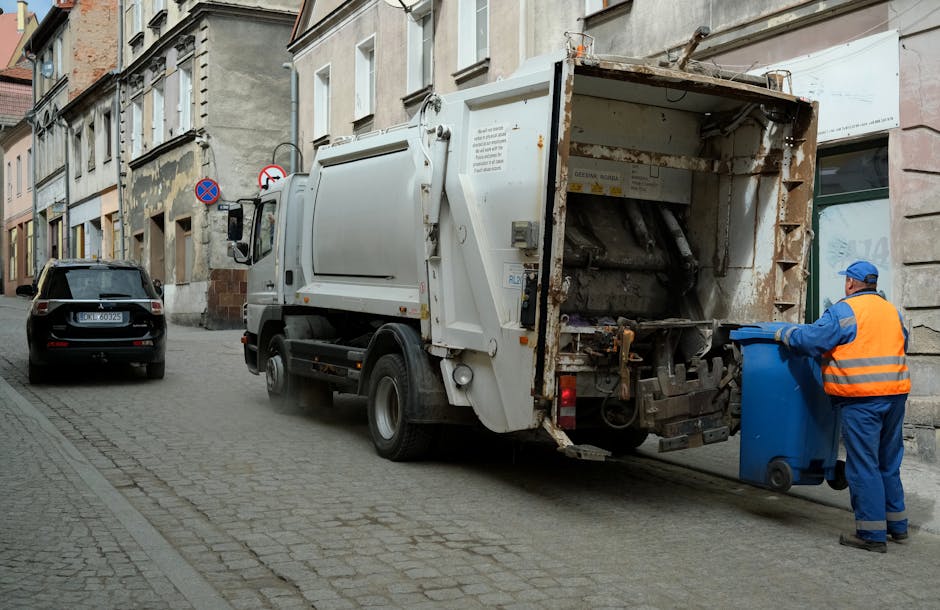
If you are trying to clear a sofa, mattress, broken wardrobe, or a pile of old household items in Merton, the rules can feel oddly specific. One wrong move and you could end up with a missed collection, extra hassle, or a fine that nobody wants to deal with. This guide to Merton Council bulky waste rules: permits, fines, and tips breaks everything down in plain English so you can sort bulky items properly, stay on the right side of the rules, and avoid those frustrating last-minute surprises.
Truth be told, bulky waste is one of those jobs people leave until the very end. Then the hallway is full, the weather turns wet, and suddenly everyone wants the item gone by Friday. Let's make it simpler. You will get a clear explanation of how bulky waste collections usually work, where permits may matter, what can trigger fines, and the practical tips that save time, money, and stress.
- Why the rules matter
- How bulky waste collections work
- Benefits of doing it properly
- Who needs this guidance
- Step-by-step guidance
- Expert tips
- Common mistakes to avoid
- Tools, resources, and recommendations
- Law, compliance, and best practice
- Options and comparison
- Real-world example
- Practical checklist
- Conclusion
- Frequently asked questions
Why Merton Council bulky waste rules: permits, fines, and tips Matters
Bulky waste rules matter because bulky items are not treated like everyday household rubbish. A mattress, fridge, sofa, wardrobe, or a pile of mixed junk takes more space, needs more handling, and often must be dealt with through a specific service or by an authorised collector. If you leave it out too early, put it in the wrong place, or assume it can be taken with normal bins, the result is often a mess at the kerb and, in some cases, enforcement action.
For Merton residents, the practical issue is simple: you want the item gone, but you also want to avoid penalties and unnecessary back-and-forth. That is especially important in flats, estates, terraced streets, and shared access areas where one person's bulky waste can become everyone's problem quite quickly. You might have noticed this yourself around busy drop-off points or when a front garden starts looking like a temporary storage site. Not ideal.
Expert summary: The safest approach is to treat bulky waste as a controlled disposal task, not a general clear-out. Check what the item is, how it should be presented, whether you need permission for access or placement, and who is actually licensed to remove it. Small details matter more than people expect.
There is also a wider environmental reason. Bulky items often contain materials that can be reused, recycled, or handled separately. If everything is tossed together, the chance of recovery drops. That is why many homeowners pair local collections with responsible sorting, and why services such as recycling and sustainability planning can make a real difference.
And if the situation is more than a single item, say a full garage clear-out or post-move pile-up, it can be worth looking at house clearance in Merton or a broader rubbish clearance service rather than trying to piece the job together one item at a time.
How Merton Council bulky waste rules: permits, fines, and tips Works
Bulky waste arrangements usually revolve around three questions: what the item is, how it is being removed, and whether the removal is authorised. In most local authority systems, bulky waste can be collected by the council or by an approved waste carrier, but the item must be presented correctly and the right process followed. If you are using a private collection, you should still expect proper documentation, clear pricing, and lawful disposal.
Here is the simplest way to think about it.
- Identify the item. Is it a sofa, bed base, wardrobe, appliance, or something classed as hazardous or special waste?
- Check the collection route. Decide whether it is going through a council bulky waste service, a private clearance, a skip, or a reuse route.
- Confirm access and placement. This is where permit-style issues can come in, especially if waste needs to sit on a public pavement, road, or shared access point.
- Prepare the item properly. Remove loose parts, drain appliances if needed, and make sure nothing sharp or hazardous is left exposed.
- Keep records if you are using a carrier. A legitimate provider should be able to explain where the waste is going and how it will be handled.
Let's be fair: the word permit can mean different things depending on the job. Sometimes people mean permission from the council for placing a skip or other item on public land. Sometimes they mean approval to use a collection service or a licence issued to a waste carrier. So if you are reading about permits in relation to bulky waste, ask which kind is being discussed. That one question clears up a lot of confusion.
Fines usually come into play when waste is fly-tipped, left on the street without permission, put out in a way that obstructs others, or passed to an unlicensed collector. Councils can investigate waste left in public places, and if it can be linked back to a resident or business, that is where trouble starts. It sounds dramatic, but it happens often enough. A receipt and a few photos of the collection can save a lot of grief.
If you need a collection but the items are awkward, heavy, or mixed with household clutter, a dedicated furniture disposal service or a more general junk removal option can be the cleaner route. You are not just paying for lifting; you are paying for compliance, loading, transport, and lawful disposal. That part gets missed quite a bit.
Key Benefits and Practical Advantages
Following the rules is not only about avoiding a fine. There are a few everyday benefits that make life easier straight away.
- Cleaner streets and shared spaces. No one likes walking past a sofa balanced on the pavement for three days.
- Less chance of missed collections. Items prepared properly are far more likely to be accepted on time.
- Lower risk of disputes. In blocks of flats and shared homes, clear rules prevent the old "who left this here?" conversation.
- Better recycling outcomes. Wood, metal, textiles, and appliances can often be handled more carefully when sorted in advance.
- Peace of mind. You know the waste is being dealt with lawfully, which is worth a lot when the job is bigger than expected.
There is also a time-saving angle. If you are reorganising a loft, garage, or spare room, bulky waste can derail the whole project. Instead of moving the same items around for a week, a proper clearance plan gives you a clean finish. For larger spaces, people often combine a bulky item pickup with garage clearance or loft clearance in Merton so the mess is dealt with in one go.
And honestly, there is a nice psychological lift when the last heavy item is gone. A room feels bigger. Quieter, too. Funny how one old wardrobe can dominate a whole corner.
Who This Is For and When It Makes Sense
This guidance is useful if you are a homeowner, tenant, landlord, letting agent, small business owner, or property manager in Merton. Bulky waste rules come up in all sorts of situations, not just dramatic clear-outs.
You will probably need this if you are:
- replacing old furniture after a move
- clearing a property before sale or let
- getting rid of damaged appliances
- emptying a garage, cellar, or loft
- handling leftover items after a renovation
- dealing with items left behind by a tenant
- clearing stock, fixtures, or office furniture
For business premises, the expectations are often a bit tighter because access, timing, and waste transfer records matter more. If that is your situation, it is worth looking at office clearance in Merton or, for larger commercial clear-outs, the full services overview to match the job to the right disposal method.
Some situations are obvious. A broken sofa after a move? Easy. Others are less obvious. A pile of mixed items in a driveway, or a fridge beside a shared bin store, may look harmless for a day or two, then becomes a compliance issue. The line between "temporary" and "problem" is thinner than most people think.
Step-by-Step Guidance
If you want the simplest possible route, use this process. It works well for most bulky waste jobs and helps you avoid the common traps.
1. Make a full list of items
Walk the space and write down everything you want removed. Include the awkward bits: dismantled table legs, broken drawers, mattresses, cushions, appliance cables. If you only list the big item and forget the extra pieces, the collection can stall.
2. Separate bulky waste from hazardous or specialist items
Not everything should go together. Paint tins, chemicals, electrical gear, fridges, freezers, and certain construction materials can need special handling. If you are unsure, pause and check before setting it out. For anything risky, a dedicated guide such as hazardous waste disposal in Merton is a sensible starting point.
3. Decide whether you need a permit or permission
This is the bit people forget. If the waste is going into a skip on the street, or if it must sit in a shared access area, permission may be required. If a private collector is handling everything from your property, you may not need a permit at all. The key is to ask before you book, not after the item is already outside. Much easier that way.
4. Book the right service
Choose the route that matches the quantity and type of waste. A single sofa is different from a full garden shed, and a few chairs are different from a whole house contents clear-out. In some cases, a local rubbish collection service is enough. In others, you may need waste removal in Merton or a more tailored clearance.
5. Prepare the items for easy removal
Remove drawers, tape loose doors shut, bag up small parts, and clear a path to the exit. If it is raining, cover the route if you can. It sounds basic, but damp cardboard, soggy fabric, and muddy steps can make the job awkward very quickly.
6. Keep proof of collection
Ask for confirmation, especially if you are paying a private provider. A good record helps if there is any dispute later. It also gives you confidence that the waste did not just disappear into nowhere, which, let's face it, is what people worry about.
Expert Tips for Better Results
Here are the small habits that make the biggest difference.
- Book earlier than you think you need to. The day before is often too late if you have access constraints or multiple items.
- Measure large items before collection. A sofa that "should fit" sometimes turns out to be a nightmare at the hallway bend. Homes have personalities, apparently.
- Split mixed loads where possible. Recyclable materials and reusable furniture are easier to handle when not buried under general junk.
- Photograph items before they leave. This is especially useful for tenancy ends, landlord checks, and business clear-outs.
- Check the disposal route. A reputable provider should explain what happens after collection, not just what happens at the kerb.
- Use one clearance plan for multiple rooms. If you are already clearing the garage, loft, or spare room, bundle the job rather than doing it in fragments.
One more practical tip: if the bulky waste is part of a broader home project, plan the disposal before the decorating starts. That way you are not trying to lift a chest of drawers past wet paint and fresh plaster. Very specific, yes. Also very common.

Common Mistakes to Avoid
Most bulky waste problems come from a handful of predictable errors. The good news is they are easy to avoid once you know what to watch for.
- Leaving items on the pavement without checking permission. This is one of the fastest ways to create a complaint.
- Assuming "someone will take it". That is not a disposal plan.
- Mixing hazardous items into general bulky waste. Batteries, chemicals, and certain electrical goods can create safety issues.
- Using an unlicensed collector. Cheap is not cheap if the waste is fly-tipped and traced back to you.
- Forgetting access issues. Narrow gates, low branches, tight stairwells, and basement steps all matter.
- Not asking about inclusion/exclusion rules. Some collections do not cover dismantling, bagging, or multiple trips.
There is also a mindset mistake: treating bulky waste as an afterthought. It is better to make it part of the project plan from the start. If you are cleaning out a property after a sale or preparing a purchase, the waste strategy should sit alongside the rest of the timeline. If that is your world, articles like the Merton real estate buying guide and guide to real estate investments in Merton can be useful context as well.
Tools, Resources and Recommendations
You do not need fancy equipment to deal with bulky waste properly, but a few tools and habits help a lot.
| Tool or resource | Why it helps | Best used for |
|---|---|---|
| Measuring tape | Confirms whether items fit through doors, hallways, and gates | Sofas, wardrobes, beds, appliances |
| Marker pen and labels | Keeps items separated and avoids confusion on collection day | Mixed clear-outs, shared homes, estates |
| Rubble sacks or sturdy bags | Helps gather loose parts and smaller overflow items | Screws, cables, cushions, broken accessories |
| Photos of items | Creates a record before removal | Tenancies, landlord handovers, office clear-outs |
| Collection confirmation | Provides a basic paper trail | Any paid waste removal or bulky pickup |
For larger clear-outs, compare a few disposal routes before you commit. Sometimes a quick collection is enough. Sometimes it makes more sense to do a full property clearance. If you are weighing options, take a look at pricing and quotes alongside skip hire in Merton to see which structure suits the job better. The cheapest option is not always the best once loading, access, and waste type are considered.
And if you are trying to be more environmentally responsible, the local sustainability angle matters. Reuse first, recycle where possible, and only send the rest for disposal. That approach is not glamorous, but it is the right one.
Law, Compliance, Standards, or Best Practice
When bulky waste is involved, the safest broad rule is this: do not place waste in a way that creates nuisance, obstruction, or illegal disposal risk. Waste should be handed to a properly authorised collector or taken through a lawful collection route. If a permit or permission is needed for the location of the waste container or the placement of the items, get that sorted before collection day.
Best practice in the UK usually includes:
- using a licensed waste carrier where a private firm is involved
- keeping basic records of the collection
- sorting hazardous items separately
- not leaving waste on public land without approval
- checking access arrangements for shared roads, estates, and narrow streets
Fines are not something to guess about. Different situations can lead to different consequences, and councils may apply enforcement where waste is dumped, obstructs the public, or is managed incorrectly. The safest approach is compliance first, convenience second. That may sound a bit stern, but it saves a lot of trouble.
For householders, the main thing is due care. For landlords, letting agents, and businesses, the standard is higher because the duty to manage waste sensibly is more visible. If you are responsible for a property, especially one with frequent turnover, it is worth building a repeatable system rather than improvising each time. Repetition helps here. A boring system is often a good system.
Options, Methods, or Comparison Table
Choosing the right route depends on how much waste you have, where it is located, and how quickly you need it gone. This simple comparison can help.
| Method | Best for | Pros | Watch-outs |
|---|---|---|---|
| Council bulky waste collection | Single or limited items | Structured, straightforward, local | Can be slower, may have item limits or booking rules |
| Private bulky waste removal | Urgent or awkward jobs | Flexible, faster, more hands-on | Must use a proper provider and confirm disposal route |
| Skip hire | Ongoing clear-outs or renovation waste | Good for larger volumes | May need permission if placed on public land |
| Full clearance service | House, garage, loft, or office clear-outs | One visit can solve several problems at once | Usually best when there is a sizeable amount to move |
If you are deciding between methods, think beyond the headline price. Ask yourself: how many items are there, who will move them, how fast do I need this done, and is the access awkward? Those four questions usually point you to the right answer.
Case Study or Real-World Example
A fairly typical Merton scenario goes like this. A family in a terraced house is clearing an upstairs bedroom after a relative moves into care. There is a bed frame, an old wardrobe, two chairs, a chest of drawers, and a box of mixed clutter from the loft. Nothing dramatic, but enough to be annoying. They first think about putting the furniture outside for collection day, then realise the narrow pavement and shared access could make that a poor idea.
Instead, they sort the items into three groups: reusable, recyclable, and disposal. The family keeps a few sentimental pieces, separates electrical bits, and books a lawful removal route. The provider helps carry the items down carefully, the path is kept clear, and the job is done without leaving anything on the street overnight. No complaints, no confusion, and no awkward neighbour chat the next morning.
That sort of case is more common than people think. Not glamorous. Just practical. And that is exactly where good bulky waste planning pays off.

Practical Checklist
Use this before collection day.
- List every item that needs removing
- Separate bulky waste from hazardous materials
- Check whether any permit or permission is needed
- Confirm the collection method and time window
- Measure large items and check access points
- Clear the route from the room to the exit
- Photograph items if you need a record
- Ask for collection confirmation or receipt
- Keep recyclable or reusable items apart where possible
- Make sure nothing is left on public land without approval
If your clear-out has grown arms and legs, it may be quicker to use a dedicated local service rather than trying to break the job into tiny pieces. A lot of people start with one sofa and end up with a full room. It happens all the time.
Conclusion
Merton Council bulky waste rules are really about simple things done properly: know what you are disposing of, understand whether permission or a permit is needed, avoid unsafe placement, and use a legitimate collection route. That is the heart of it. Once you do that, the rest becomes much easier.
The best outcomes usually come from planning a little earlier than expected, separating items sensibly, and choosing the disposal method that fits the job rather than the one that just seems quickest in the moment. You will save yourself hassle, reduce the chance of fines, and often get a cleaner result overall. Not bad for a bit of sorting, really.
If you are dealing with a one-off item, a bigger clearance, or a situation that feels awkward, it may help to speak with a local team that understands how Merton properties, access routes, and waste handling work in practice.
Get a free quote today and see how much you can save.


 Tipper Van - Rubbish Removal and Waste Disposal Prices in Merton, SW19
 Luton Van - Rubbish Removal and Waste Disposal Prices in Merton, SW19